Structural firefighting
Primary structural engine: Engine 762. Rural incidents require dependable water supply planning as well as fire suppression equipment.
Necedah Fire & Rescue
Accurate descriptions of the department’s core responsibilities and specialized capabilities.
Primary structural engine: Engine 762. Rural incidents require dependable water supply planning as well as fire suppression equipment.
Engine 763 serves as the second engine company and primary crash rescue engine, carrying hydraulic cutters, spreaders, rams and lifting airbags.
Tankers 765 and 768, drafting and refill operations support areas beyond the Village hydrant system.
NFR is the primary water and ice rescue agency in its assigned area. Equipment includes a fireboat and two cold-water/ice rescue suits.
NFR can participate in searches with a Skydio 2 drone and remote-area access using an ATV and towable rescue sled. Command is coordinated with relevant agencies.
NFR provides primary wildland response within its applicable local protection area and supports Wisconsin DNR and federal responders as requested.
Underwater recovery: NFR has one recovery diver, James Starosta, a former Captain of the Juneau County Dive Team. His dive equipment is personally owned and maintained; NFR does not own dive gear. The department maintains its own station breathing-air refill capability.
Emergency medical assistance: NFR does not provide ambulance transportation. Firefighters may provide non-transport emergency medical first response (EMR), CPR, lift assistance, access and rescue support, and helicopter landing-zone support when dispatched. Mauston Area Ambulance Association provides primary ambulance transportation. See EMS and ambulance service history.
Hazardous materials: NFR provides initial scene response and requests specialized county resources as appropriate.
Aircraft support: When requested, NFR may assist with SEAT aircraft ground loading operations at Necedah Municipal Airport. NFR does not operate an aerial firefighting fleet.
Fireboat: It does not have a permanent dedicated firefighting pump; portable pumps must be brought aboard for that application.
Origin, cause, prevention and investigative partnerships
Determining where a fire started, how it started and whether it could have been prevented is an important part of protecting our community. Under Wisconsin Statute § 165.55, municipal fire officials must investigate, or cause to be investigated, qualifying fires involving property damage exceeding $500 and report fires that may be incendiary to the State Fire Marshal. Fire origin-and-cause examination is distinct from a criminal investigation; the agencies involved depend on the location, circumstances and jurisdiction.
Our response area includes homes, businesses, grassland and forest, nearby state-managed property, the Necedah National Wildlife Refuge and military-controlled training lands. NFR coordinates with the appropriate local, county, state, federal and military partners.
Our Fire Chief, department officers and appropriately trained members conduct or arrange initial origin-and-cause assessments for structural, vehicle and other non-wildland fires within applicable local responsibilities. They evaluate the scene, fire and heat effects, witness information and physical evidence to identify the area of origin and assess possible causes. Findings are evidence-based and may be classified as accidental, natural, incendiary or undetermined. A suspected intentionally set fire is referred to law enforcement and reported as required by Wisconsin law.
In Wisconsin DNR fire protection areas, DNR Forestry personnel and Conservation Wardens investigate or assist with the origin and cause of grass, brush and forest fires and potential violations of state burning and forestry laws. NFR assists with suppression, scene information and coordination under applicable response arrangements.
For wildland fires on or affecting the Necedah National Wildlife Refuge, USFWS fire-management staff and authorized federal law-enforcement personnel may participate in origin-and-cause investigation and enforcement of applicable federal laws. Refuge personnel coordinate with Wisconsin DNR, local fire departments and other agencies when incidents cross jurisdictional boundaries.
Incidents on military-controlled training and range property, including the nearby Hardwood Air-to-Ground Weapons Range, are coordinated through the responsible military installation and its fire, range-safety and investigative personnel. Volk Field fire resources are included in regional planning for Hardwood Range. When requested, NFR may assist, with Wisconsin DNR and other responders involved as appropriate. Entry, investigation authority and incident command follow the applicable military jurisdiction and arrangements; NFR does not independently control these facilities.
When evidence suggests a deliberately set fire, or a fire involves serious injury, loss of life or significant property damage, NFR coordinates promptly with the Juneau County Sheriff’s Office and, within its jurisdiction, the Village of Necedah Police Department. The appropriate law-enforcement agency handles criminal investigative powers, working with fire investigators and additional agencies as needed.
For complex fires, fatal incidents, explosions or suspected arson, public safety agencies may request assistance from Deputy State Fire Marshals with the Wisconsin Department of Justice, Division of Criminal Investigation. Specialized resources include scientific origin-and-cause investigation, ignitable-liquid detection canine teams and forensic coordination where appropriate.
Investigation results: A fire's cause may remain undetermined when the evidence does not support a reliable classification. No particular cause or criminal responsibility should be assumed before the investigation is complete.
If you observed suspicious activity before or during a fire, report what you saw. For an active fire or immediate danger, call 911.
Do not enter an unsafe scene or disturb evidence.
Property owners and insurance providers may request available official fire incident records from Necedah Fire & Rescue:
Department phone: 608-565-2412
Email: steve.bezemek@necedahfirerescue.org
Records are released subject to applicable law and review. Some information may be withheld or redacted during an active investigation. Insurance companies may also retain private investigators; their work is separate from public safety and law-enforcement investigations.
Communities, rural water supply, waterways, forestry, industry, and recreation across an ESN-defined 161-square-mile response area.
Explore the protection districtView Engine 762 and the department’s fleet, water supply units, rescue equipment, and historic apparatus gallery.
View NFR apparatusNFR maintains its own firefighting, rural water-supply and specialized rescue capabilities. When a call exceeds available resources or requires another agency's authority or expertise, additional units may be requested through appropriate dispatch and mutual-aid procedures.
Local fire protection, vehicle extrication, rural water delivery, assigned local wildland response, primary water and ice rescue and initial search coordination within designated responsibilities.
MABAS Wisconsin Division 136 and neighboring departments may provide additional engines, tenders or rescue resources. Wisconsin DNR, USFWS, county agencies and Mauston Area Ambulance operate under their own responsibilities and applicable agreements.
Mutual aid complements but does not replace local apparatus, trained responders or the need for equipment maintenance and replacement. Specific assignments in published alarm cards can change; see the local and regional resource directory and NFR apparatus inventory.
Authentic field imagery shows fire suppression, coordinated response vehicles and wooded fire conditions. Other-agency apparatus may appear; these images do not imply ownership or primary jurisdiction.
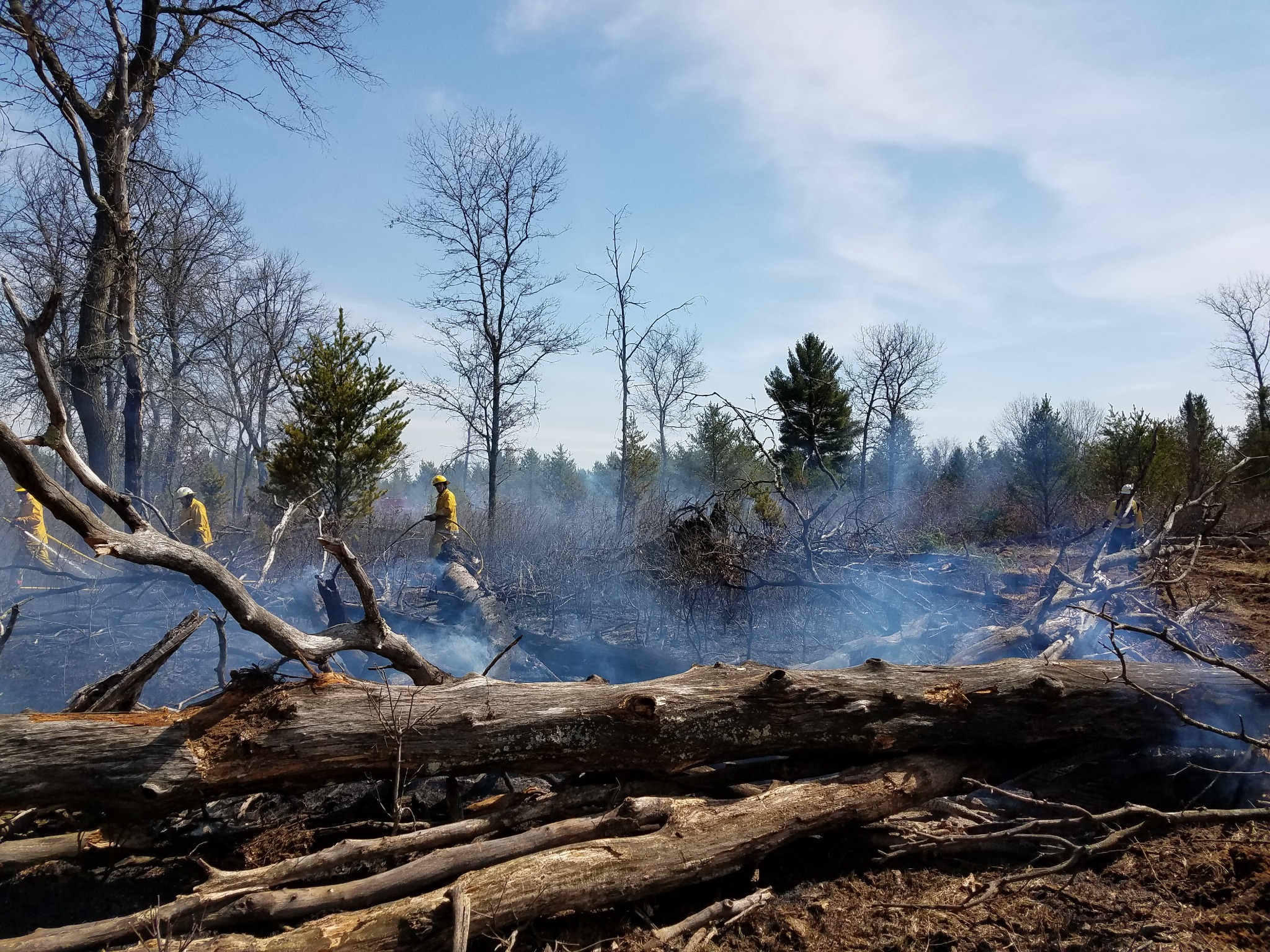
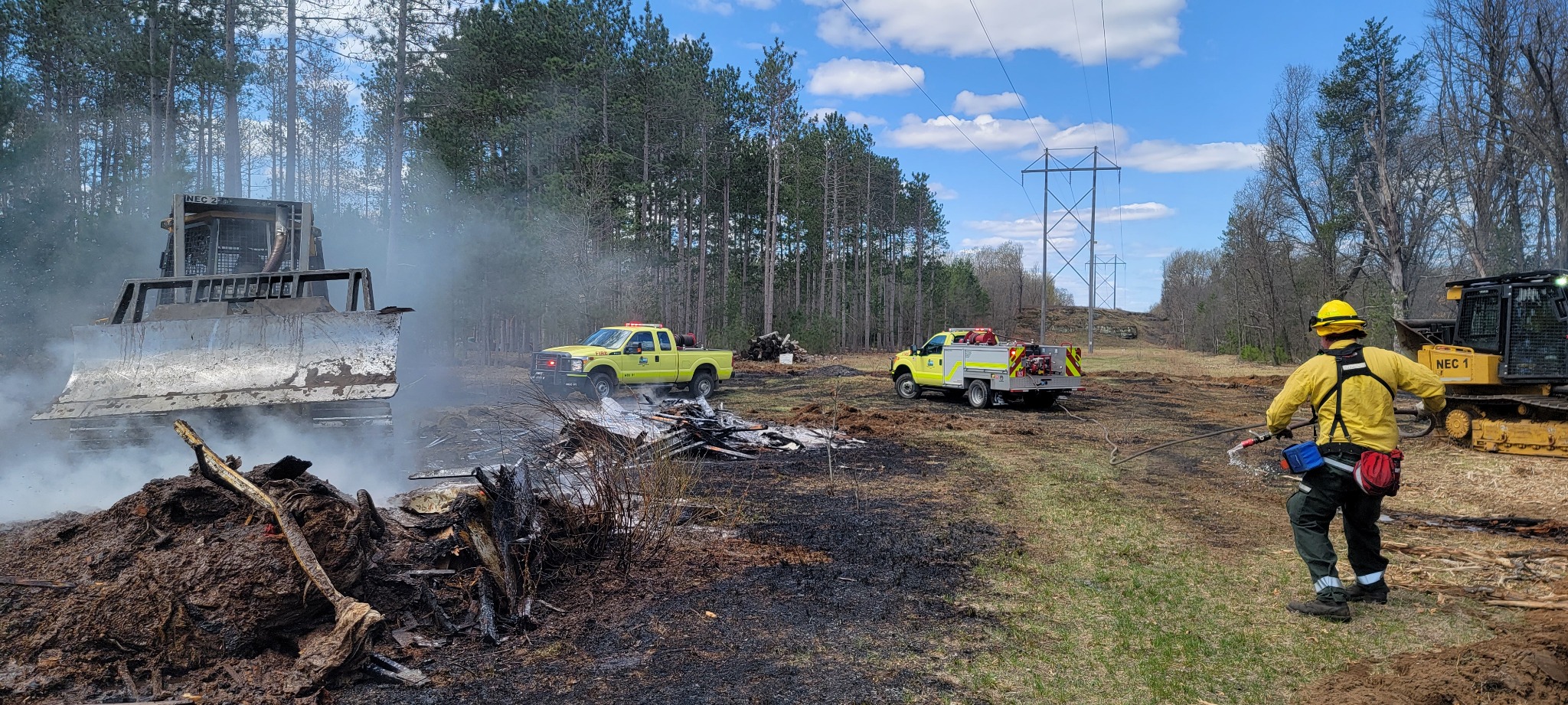
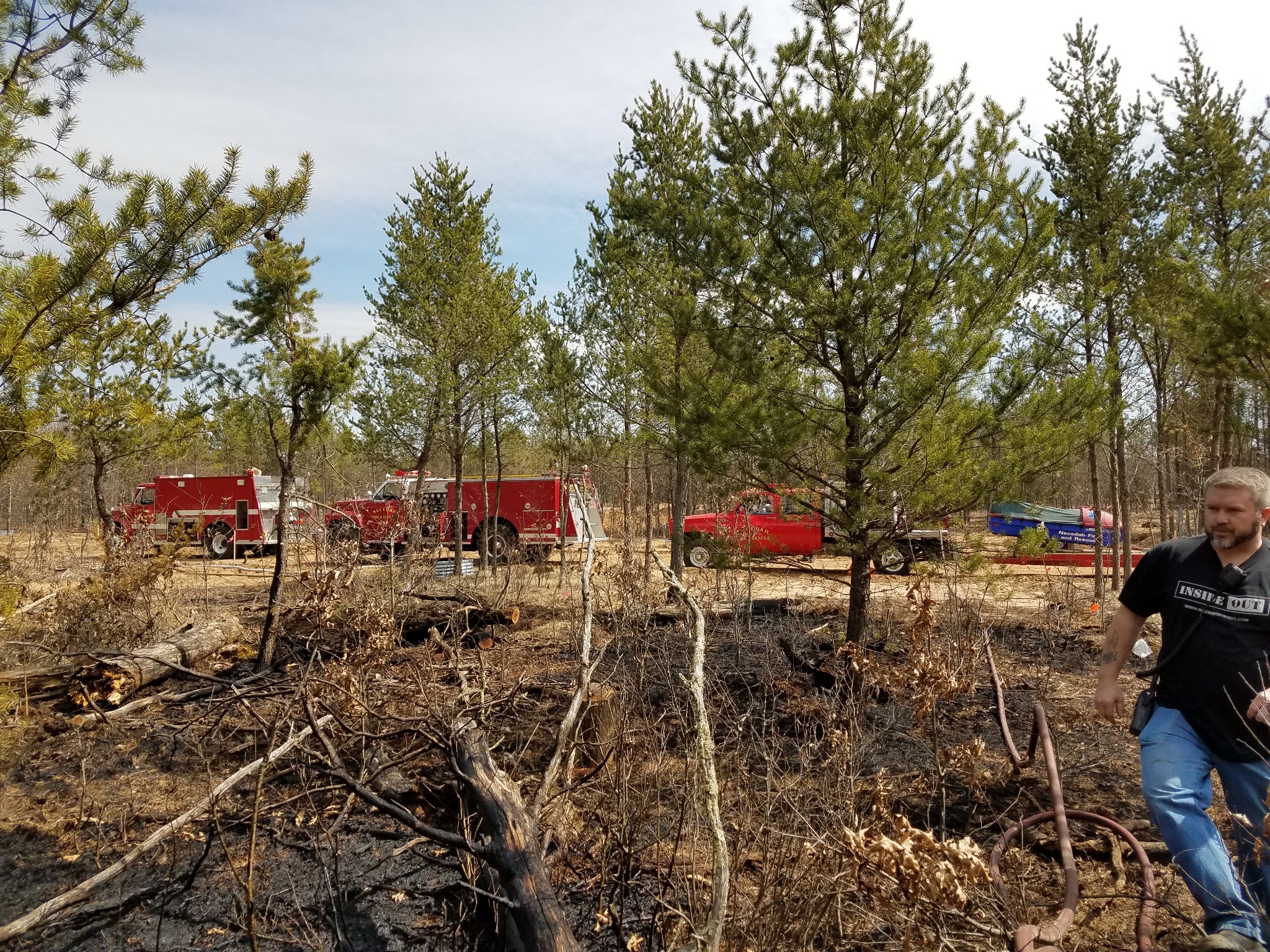
Structure-fire operations require trained personnel, apparatus, water supply and coordination with responding agencies.
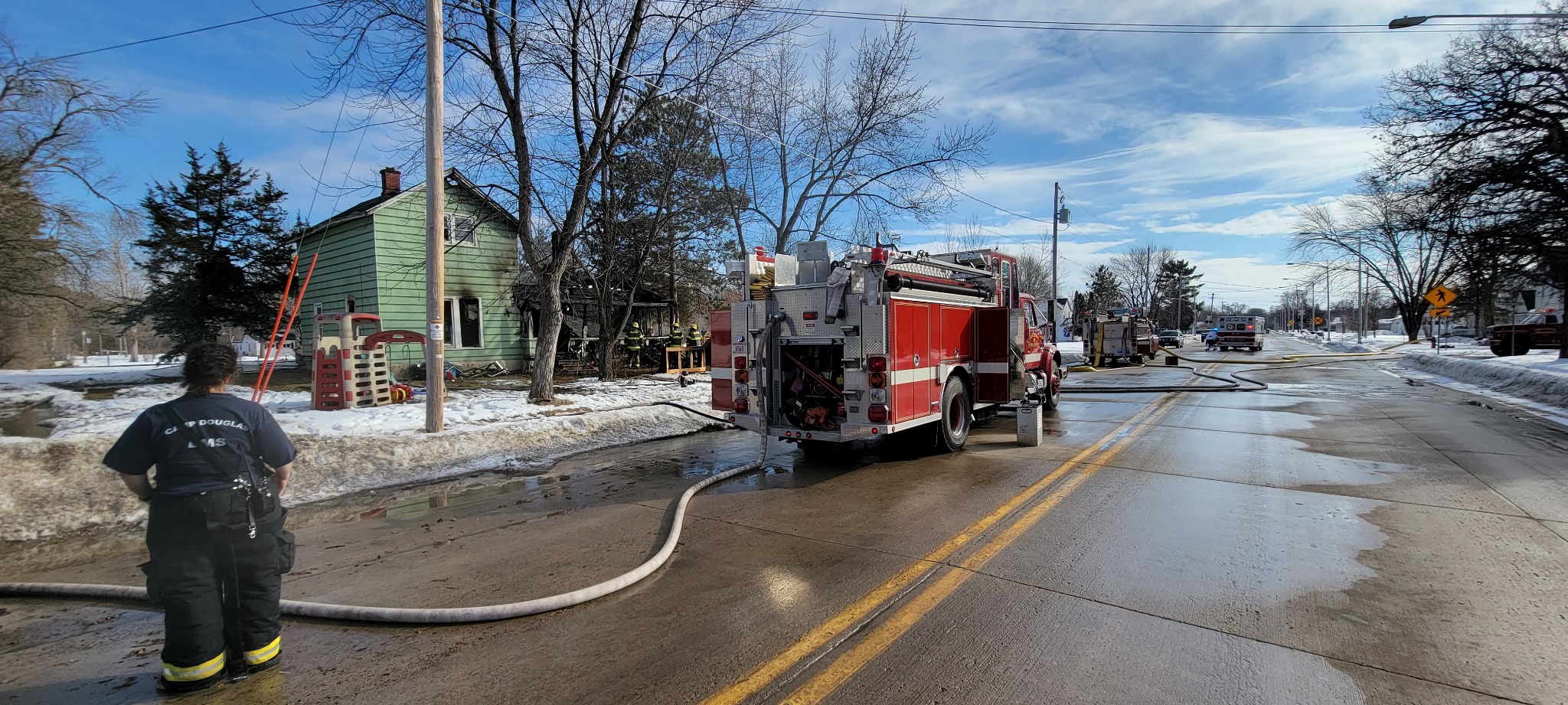
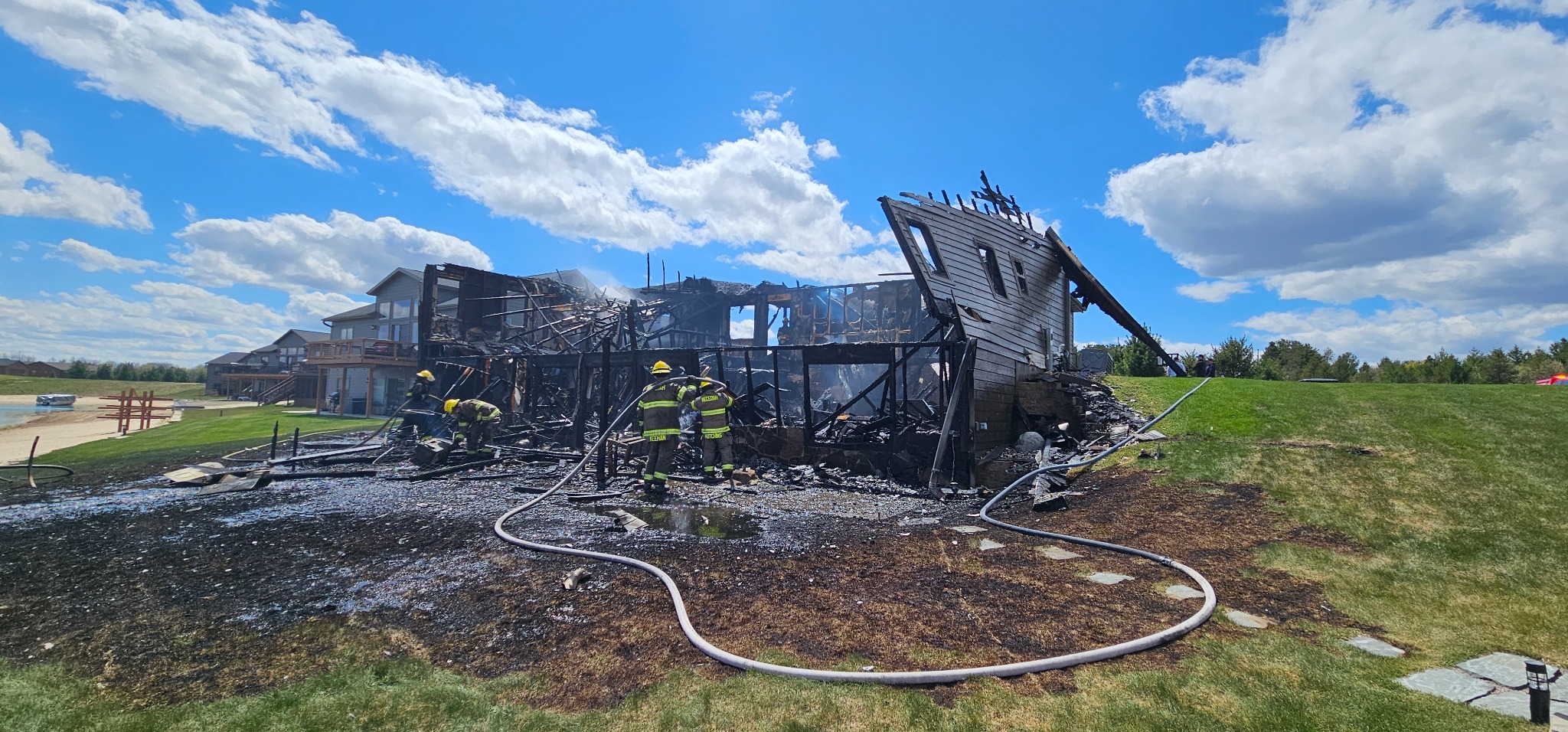
For all field photographs and original files, view the NFR Photo Archive
The Camp Williams firing range is within NFR's mapped coverage area, but it remains under military control. NFR may respond to an incident there when requested, coordinating with military authorities and following applicable access and incident-control arrangements.
NFR similarly works with Wisconsin DNR, the U.S. Fish & Wildlife Service and other agencies according to the protection responsibilities on state and federal lands. See public lands and special response areas for the named facilities.